Introduction
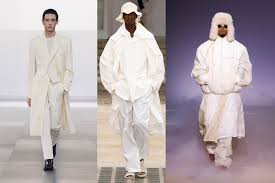
The concept of fashion white 2125 represents a fascinating vision of how fashion may evolve over the next century. As technology, sustainability, and consumer preferences continue to transform the industry, the future of fashion is expected to blend innovation, functionality, and timeless elegance. White, often associated with purity, simplicity, and sophistication, is likely to remain a significant color in future fashion trends.
Fashion has always reflected cultural values and technological advancements. Looking ahead to the year 2125, designers, researchers, and fashion enthusiasts imagine a world where clothing is smarter, more sustainable, and highly personalized. The idea of fashion white 2125 captures this vision by combining futuristic design with the enduring appeal of minimalist aesthetics.
The Symbolism of White in Fashion
A Timeless Fashion Choice
White has remained one of the most versatile colors throughout fashion history. From formal wear to casual outfits, white continues to symbolize elegance and refinement.
Reasons why white remains popular include:
- Clean and sophisticated appearance
- Easy combination with other colors
- Timeless style appeal
- Versatility across fashion categories
- Association with innovation and modernity
These characteristics make white a likely centerpiece of future fashion movements.
White as a Symbol of the Future
In futuristic design concepts, white often represents advanced technology, cleanliness, and progress. Many designers use white to create modern and innovative looks that feel ahead of their time.
The vision behind fashion white 2125 reflects this connection between minimalism and futuristic aesthetics.
How Fashion May Evolve by 2125
Smart Clothing Technology
Future clothing could incorporate advanced technologies that enhance comfort and functionality.
Possible features include:
- Temperature regulation
- Health monitoring systems
- Adaptive fabric technology
- Integrated communication devices
- Self-cleaning materials
These innovations may redefine how people interact with clothing in everyday life.
Artificial Intelligence in Fashion
Artificial intelligence is expected to play a major role in fashion design and customization.
Potential applications include:
- Personalized outfit recommendations
- Automated design generation
- Virtual fitting rooms
- Predictive trend analysis
- Smart wardrobe management
AI could help create highly individualized fashion experiences for consumers.
Sustainability in Future Fashion
Eco-Friendly Production
Environmental responsibility is expected to become even more important by 2125. Future fashion systems may prioritize sustainable production methods and resource conservation.
Sustainable practices could include:
- Renewable materials
- Zero-waste manufacturing
- Water-efficient production
- Carbon-neutral operations
- Circular fashion systems
These innovations align with the growing demand for environmentally conscious clothing.
Recyclable and Biodegradable Fabrics
Scientists and designers are already exploring advanced materials that reduce environmental impact. By 2125, many garments may be fully recyclable or biodegradable.
Benefits include:
- Reduced textile waste
- Lower pollution levels
- Resource conservation
- Longer product life cycles
The future of fashion white 2125 will likely emphasize sustainability alongside aesthetics.
The Rise of Minimalist Design
Less Is More
Minimalism has influenced fashion for decades, and its popularity may continue to grow in the future.
Key characteristics include:
- Clean lines
- Simple silhouettes
- Neutral color palettes
- Functional design
- Timeless appeal
White often serves as the foundation of minimalist fashion because it highlights simplicity and elegance.
Functional Luxury
Future consumers may prioritize functionality as much as appearance. Clothing could be designed to offer comfort, durability, and adaptability without sacrificing style.
This balance between practicality and beauty may define the next era of fashion.
Digital Fashion and Virtual Style
Fashion in Virtual Worlds
As digital environments expand, virtual fashion may become a major industry. Consumers could purchase digital clothing for online identities, social platforms, and immersive experiences.
Advantages include:
- Unlimited creativity
- Reduced physical waste
- Instant customization
- Global accessibility
Digital fashion may complement traditional clothing rather than replace it entirely.
Virtual Fashion Shows
Technology could transform fashion presentations through virtual reality and immersive experiences that allow global audiences to participate from anywhere.
These innovations may reshape how designers connect with consumers.
Future Fashion Materials
Intelligent Fabrics
Advanced materials could allow clothing to respond dynamically to environmental conditions.
Examples include:
- Color-changing fabrics
- Self-repairing textiles
- Energy-generating materials
- Weather-adaptive clothing
These developments would significantly enhance garment performance.
Lightweight and Durable Textiles
Future fabrics may offer exceptional strength while remaining lightweight and comfortable. Such materials could improve durability and reduce resource consumption.
Consumer Trends in 2125
Personalization
Consumers increasingly seek products tailored to their individual preferences. Future fashion may provide unprecedented levels of customization.
Potential features include:
- Custom-fit garments
- Personalized designs
- Adaptive sizing
- On-demand production
Personalization can improve satisfaction while reducing excess inventory.
Ethical Purchasing Decisions
Future consumers are expected to place greater emphasis on ethical production and transparency. Brands that demonstrate responsibility may gain stronger customer loyalty.
Fashion White 2125 and Global Culture
Blending Tradition and Innovation
Future fashion may combine cultural heritage with advanced technologies. Designers could draw inspiration from historical garments while incorporating modern functionality.
This fusion would preserve cultural identity while embracing innovation.
Global Collaboration
Advancements in communication and technology may encourage greater collaboration among designers from different regions and cultures.
Such partnerships could produce unique fashion concepts that reflect diverse perspectives.
Challenges Facing Future Fashion
Balancing Technology and Sustainability
While technological advancements offer exciting possibilities, the industry must ensure that innovation supports environmental goals.
Key challenges include:
- Resource management
- Ethical technology use
- Sustainable manufacturing
- Consumer education
Accessibility and Affordability
Future fashion innovations should remain accessible to a broad range of consumers rather than being limited to luxury markets.
Inclusive design will play an important role in shaping the industry’s future.
Conclusion
The vision of fashion white 2125 represents a future where technology, sustainability, personalization, and timeless design come together to redefine style. White continues to symbolize innovation, simplicity, and elegance, making it a fitting centerpiece for future fashion concepts.
As the fashion industry evolves, consumers can expect smarter clothing, environmentally responsible production, advanced materials, and highly personalized experiences. Whether through digital fashion, intelligent textiles, or sustainable design practices, the future promises exciting opportunities that will transform how people express themselves through clothing.
Fashion white 2125 is more than a trend—it is a glimpse into a future where creativity and innovation shape the next generation of style.