Introduction
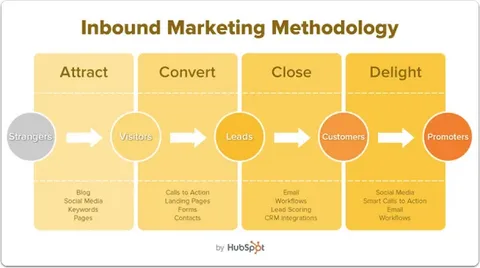
The concept of a Follett Software inbound marketing pipeline conversion SDR workflow focuses on how modern software companies attract potential customers, nurture leads, and convert prospects into paying clients through structured sales and marketing processes. In today’s competitive software industry, businesses need efficient systems that connect marketing efforts with sales activities to maximize growth and revenue.
Inbound marketing, sales development representatives (SDRs), pipeline management, and conversion optimization are all critical components of a successful customer acquisition strategy. When these elements work together effectively, organizations can improve lead quality, increase conversion rates, and create predictable revenue streams.
This article explores the key concepts behind inbound marketing pipelines, SDR workflows, conversion strategies, and best practices for software companies.
Understanding Inbound Marketing
What Is Inbound Marketing?
Inbound marketing is a strategy that attracts potential customers by creating valuable content and experiences tailored to their needs.
Common inbound marketing channels include:
- Blog articles
- Search engine optimization (SEO)
- Social media marketing
- Email campaigns
- Webinars
- Educational resources
- Case studies
Instead of interrupting audiences with advertisements, inbound marketing focuses on earning attention through useful information.
Benefits of Inbound Marketing
Advantages include:
- Higher-quality leads
- Lower acquisition costs
- Increased brand authority
- Better customer relationships
- Long-term organic growth
Many software companies rely heavily on inbound marketing to generate demand.
The Marketing Pipeline Explained
What Is a Marketing Pipeline?
A marketing pipeline represents the journey prospects take from first discovering a company to becoming customers.
Typical pipeline stages include:
- Awareness
- Interest
- Consideration
- Evaluation
- Decision
- Purchase
Each stage requires specific marketing and sales activities designed to move prospects forward.
Why Pipelines Matter
A structured pipeline helps organizations:
- Track lead progress
- Improve forecasting
- Identify bottlenecks
- Increase conversion rates
- Optimize marketing performance
Pipeline visibility is essential for sustainable growth.
Lead Generation Strategies
Attracting Potential Customers
The first stage of the pipeline focuses on attracting qualified prospects.
Common lead generation tactics include:
- SEO content
- Paid advertising
- Social media campaigns
- Industry reports
- Educational resources
These activities help businesses generate awareness and interest.
Capturing Lead Information
Lead capture mechanisms often include:
- Contact forms
- Newsletter subscriptions
- Demo requests
- Webinar registrations
- Free trials
Collecting contact information allows further engagement and nurturing.
Lead Qualification Process
Identifying Sales Opportunities
Not every lead is ready to purchase immediately. Lead qualification helps determine which prospects are most likely to become customers.
Qualification factors may include:
- Budget
- Authority
- Need
- Timeline
- Company size
Proper qualification improves sales efficiency.
Marketing Qualified Leads (MQLs)
An MQL is a lead that has demonstrated interest through actions such as:
- Downloading resources
- Attending webinars
- Visiting pricing pages
- Requesting information
These leads often move to the sales team for further evaluation.
The Role of SDRs
What Is an SDR?
A Sales Development Representative (SDR) focuses on engaging and qualifying leads before they are passed to account executives or sales managers.
Key responsibilities include:
- Prospect outreach
- Lead qualification
- Discovery conversations
- Appointment scheduling
- CRM updates
SDRs serve as an important bridge between marketing and sales.
Benefits of SDR Workflows
Dedicated SDR workflows help organizations:
- Improve lead response times
- Increase conversion opportunities
- Enhance customer experiences
- Improve sales productivity
Structured processes often lead to better outcomes.
SDR Workflow Stages
Initial Contact
Once a qualified lead enters the pipeline, SDRs typically initiate contact through:
- Phone calls
- Social media outreach
- Personalized messages
The goal is to establish communication and assess interest.
Discovery and Qualification
During discovery conversations, SDRs seek to understand:
- Business challenges
- Goals
- Current solutions
- Decision-making processes
This information helps determine whether the lead is a good fit.
Meeting Scheduling
Qualified prospects are often scheduled for:
- Product demonstrations
- Consultations
- Strategy sessions
- Sales presentations
These meetings move prospects further into the sales pipeline.
Conversion Optimization
Understanding Conversion Rates
Conversion rate measures the percentage of prospects who complete desired actions.
Examples include:
- Booking a demo
- Starting a trial
- Requesting a proposal
- Making a purchase
Improving conversion rates can significantly increase revenue.
Common Conversion Strategies
Effective techniques include:
- Personalized communication
- Clear calls-to-action
- Strong value propositions
- Social proof
- Customer testimonials
Small improvements often produce meaningful results.
CRM and Pipeline Management
Importance of CRM Systems
Customer Relationship Management (CRM) platforms help businesses organize and track prospect interactions.
CRM benefits include:
- Centralized data
- Activity tracking
- Pipeline visibility
- Reporting capabilities
- Workflow automation
CRM tools support more efficient sales processes.
Data-Driven Decision Making
Pipeline analytics help identify:
- Conversion bottlenecks
- High-performing channels
- Sales opportunities
- Forecasting trends
Data-driven insights improve performance and planning.
Marketing and Sales Alignment
Creating Collaboration
Strong alignment between marketing and sales teams improves customer acquisition effectiveness.
Collaboration areas include:
- Lead definitions
- Qualification criteria
- Reporting metrics
- Campaign planning
Aligned teams often achieve better conversion rates.
Shared Goals
Successful organizations establish common objectives such as:
- Lead generation targets
- Revenue goals
- Conversion benchmarks
- Customer acquisition metrics
Shared accountability supports better results.
Automation and Technology
Marketing Automation
Automation tools help manage repetitive tasks such as:
- Email sequences
- Lead nurturing
- Follow-up reminders
- Data collection
Automation improves efficiency while maintaining consistency.
Artificial Intelligence
AI technologies increasingly support:
- Lead scoring
- Customer segmentation
- Predictive analytics
- Personalized recommendations
These tools help optimize marketing and sales performance.
Measuring Success
Key Performance Indicators
Important pipeline metrics include:
- Lead volume
- Conversion rates
- Opportunity creation
- Customer acquisition cost
- Revenue growth
Monitoring these indicators helps evaluate effectiveness.
Continuous Improvement
Organizations should regularly:
- Review performance data
- Test new approaches
- Optimize workflows
- Update messaging
Continuous improvement supports long-term growth.
Best Practices for SDR Workflows
Respond Quickly
Fast lead response times often improve engagement and conversion rates.
Personalize Outreach
Customized communication typically performs better than generic messaging.
Focus on Value
Prospects respond more positively when conversations address their specific needs and challenges.
Maintain Consistency
Structured workflows help ensure that opportunities are handled professionally and efficiently.
Future Trends
Greater Automation
Automation will continue streamlining lead management and qualification processes.
Enhanced Personalization
Data and AI will enable more personalized customer experiences throughout the pipeline.
Improved Analytics
Advanced reporting tools will provide deeper insights into conversion performance and customer behavior.
Conclusion
A Follett Software inbound marketing pipeline conversion SDR workflow represents a modern approach to customer acquisition that combines inbound marketing, lead qualification, SDR engagement, and conversion optimization. By creating structured workflows and aligning marketing with sales, organizations can improve efficiency, increase conversions, and generate sustainable growth.
As technology continues to evolve, businesses that invest in optimized pipelines, strong SDR processes, and data-driven decision-making will be better positioned to attract customers and achieve long-term success in competitive software markets.